
Play-Based Learning Blog: Insights for Early Years Educators

Screen Time Meltdowns: What Fast Screens Do to a Young Brain
Key Points
- Screen time meltdowns are common, and there is a reason behind them
- Fast content keeps a young brain in a high alert state
- The UK guidance has clear advice on how much screen time and what kind
- Slower, low stimulation shows sit better with young brains
- A simple log can show you the pattern in your own home
- Swapping the screen for an independent activity protects the calm

Stop. Watch. Wait.
A two-year-old at the water tray. Pouring, testing, repeating. You step in to offer something new. And the learning stops, not because he was bored, but because you were. Here's the neuroscience behind why repetition in play is not a problem to solve, and four small shifts that protect your child's brain foundations.
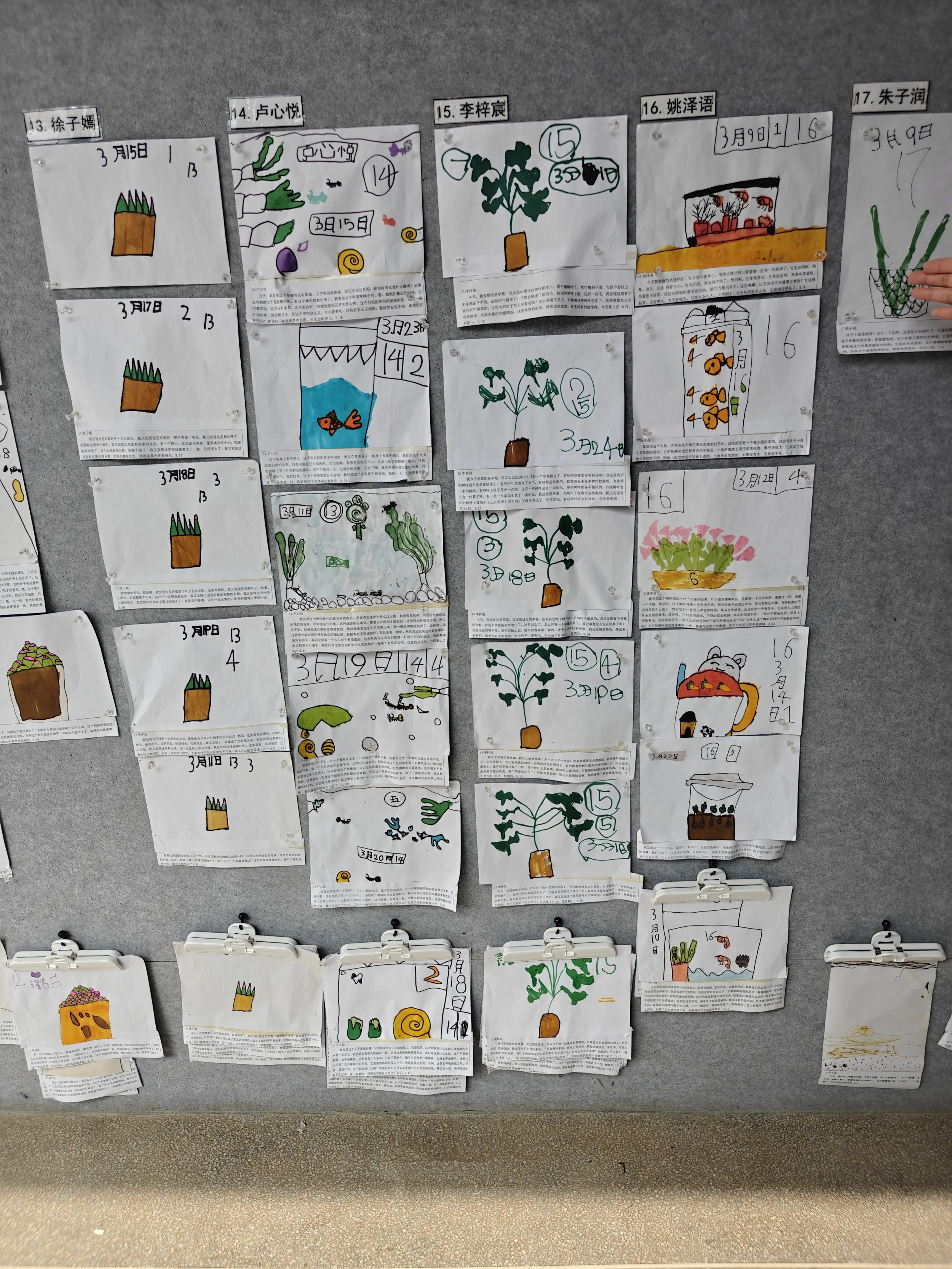
What Does Your Documentation Actually Say About This Child?
What would your documentation look like if it started with the question “Who is this child becoming?”
Whose voice is missing from your current records?
What would a family see if they read what you have written about their child?

How Play Boosts Brain Development in Young Children
Engaging in autonomous play can boost cognitive abilities and even lay the foundation for lifelong learning for young children.
In this blog, I’ll explore how play can enhance children’s brains.

Early Years Transitions: A Guide for Educators
Key Points
Parents are your partners
Transitions are a process
Know your families and children
Each family is unique