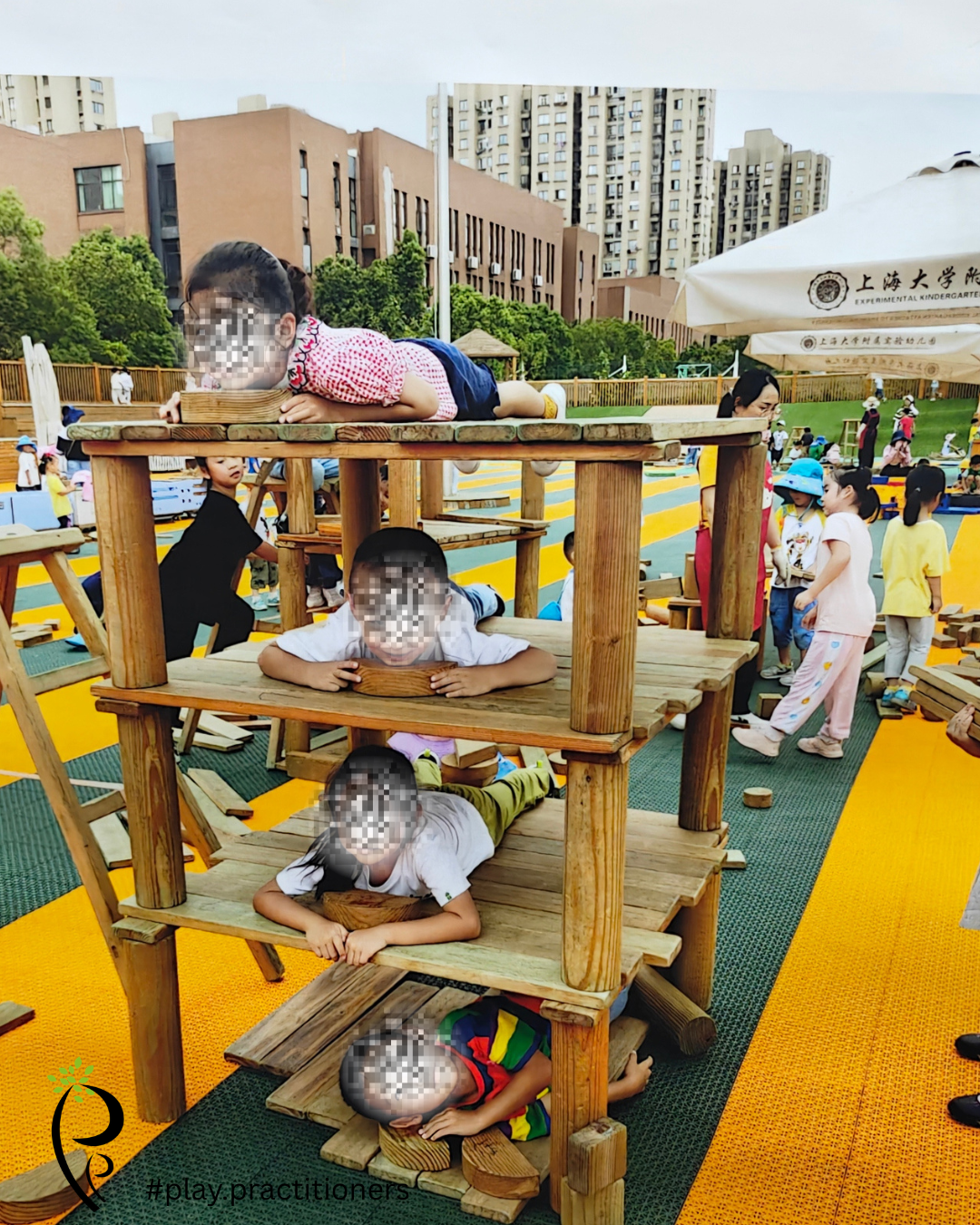
I've just returned from a remarkable journey across Chinese preschools. From international schools in Shanghai to settings in regional cities, I've been turning over what I witnessed. I presented to early years leaders, shadowed teachers, and watched children work through challenges with remarkable independence.
One moment keeps coming back to me: a group of four-year-olds locked in a conflict over building materials. Their teacher sat quietly nearby, tablet in hand, documenting. No swooping in. No solving it for them. Within ten minutes, the children had negotiated, compromised, and returned to their construction, more engaged than before.
"We ask ourselves: are the children capable?"
"Don't we usually jump in faster?" I asked the teacher afterwards. She smiled and offered those seven words. That question has shifted something in how I think about early childhood education and I want to share what I've learned.
The Gap We Need to Close
Here's what I noticed across every school I visited, regardless of their specific approach:
The universal tension
Parents worry about letters and numbers.
Educators worry about confidence, self-regulation, and joy.
This gap is universal. Parents feel the pressure: earlier is better, faster is safer. Educators know something deeper: that a child who can problem-solve, express themselves, and believe in their own capability will learn to read when they're ready. And they'll do it with genuine confidence.
The preschools I visited weren't ignoring academics. They were building the foundations those academics rest on: resilience, curiosity, the belief that "I can figure this out."
And they were doing it through play.
Four Things That Changed How I Think
01 Trust Looks Like Stepping Back
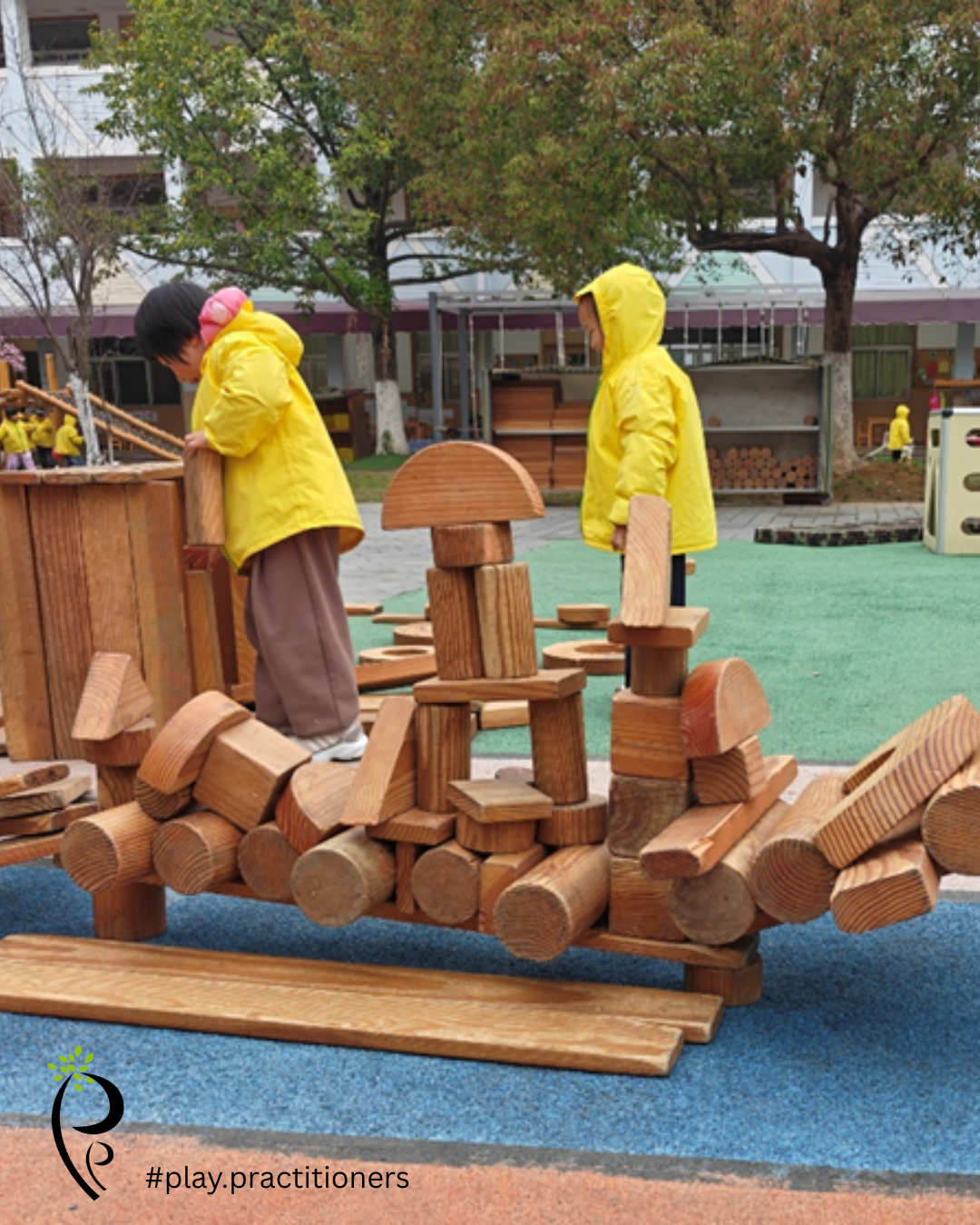
At one setting using Anji Play methodology, children were given open-ended materials and time, lots of time, to explore. No predetermined outcome. No teacher agenda hiding inside the activity.
What struck me wasn't the materials themselves. It was the absence of constant adult direction.
Teachers weren't absent, of course. They were observing, reflecting, documenting through photos and video. But they weren't directing, prompting, or cheerleading every discovery. They'd mastered something many of us are still learning: the courage to let children struggle.
"You think first, I'll wait. You speak first, I'll listen. You do first, I'll watch."
This isn't passivity. It's radical trust, and it requires genuine belief that your child is capable.
Across all four schools I visited, I saw children:
- Solving their own social conflicts without adult mediation
- Persisting through frustration, building and rebuilding, adjusting their designs
- Asking their own questions instead of waiting for an adult's prompt
- Teaching each other, with older children showing younger ones how to do something
Children everywhere can do this. But we have to believe it first. And we have to show that belief by stepping back.

02 Listening Has Many Languages
One of the most moving parts of my visit was seeing how teachers documented children's learning. Not through worksheets or tick boxes. Through:
- Video clips of problem-solving
- Photos of constructions with children's own explanations
- Audio recordings of children's thinking process
- Reflection sessions where teachers watched together and asked: What does this tell us about who this child is?
Parents received daily WeChat updates with these snippets. Not "Lisa practised her letters today." But "Watch how Lisa figured out which blocks balance a triangle. She tried four different approaches and adjusted her thinking each time."
The difference is profound. Parents began to see their child's learning, thinking, persistence and unique way of approaching a problem.
And here's the thing: when you start documenting learning this way, you begin to see learning differently. You notice what matters. You notice what children are actually capable of.
For Educators
Digital documentation (through tablets, cameras, voice recorders) doesn't have to be fancy. It just has to be honest. What are your children actually doing? What does that tell you about who they are?
For Parents
Ask your child's setting: How do you listen to my child? What stories are you collecting? Then listen to those stories together.
03 The Environment Is the Third Teacher — And It Speaks
This phrase comes from Reggio Emilia, and I saw it lived out across every setting I visited.
Materials were carefully chosen. Space was intentionally divided. In some settings (particularly those working with Anji Play), groups of children spent a whole month exploring one area of learning, becoming experts, going deeper and discovering what they could do.
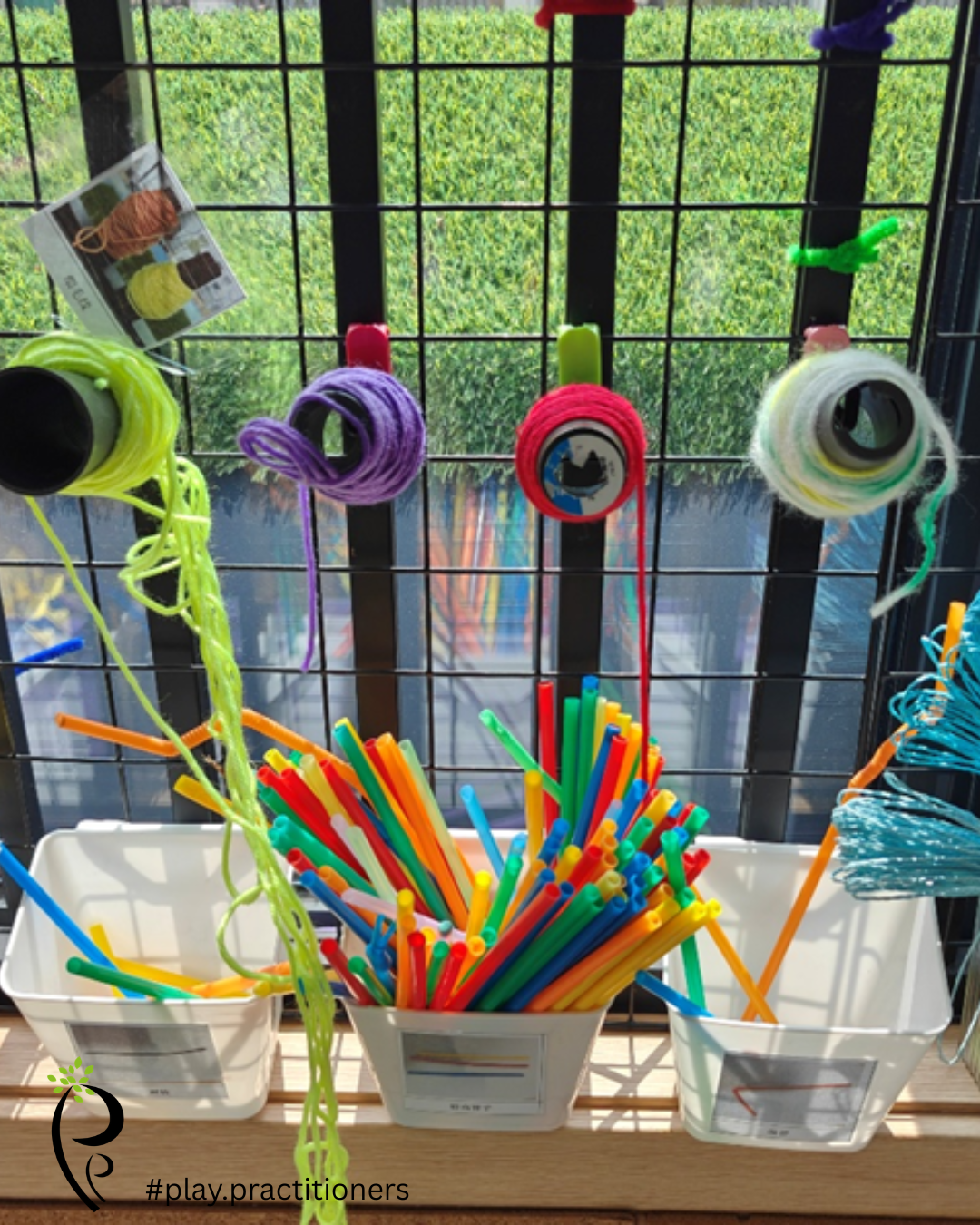
But here's what fascinated me: the materials themselves communicated. Children would look at open-ended resources, natural materials, recyclables, loose parts and their behaviour would shift. They'd slow down. They'd think. They'd collaborate differently.
"If the environment is right, children will tell us. If it isn't, they'll tell us that too."
I watched this happen. When materials changed, when space was reorganised, children's play changed. They weren't passive recipients of a beautiful environment. They were in dialogue with it.
What This Means for You
- Your home doesn't need to be Instagram-perfect. It needs to speak to your child. Does it invite curiosity? Does it offer real choices?
- Look at your setting's environment. Does it whisper, "I trust you" or "I'm watching"? Does it say, "you belong here" or "be careful"?

04 Risk as Permission to Try Something New
This might be the most transformative insight I brought home.
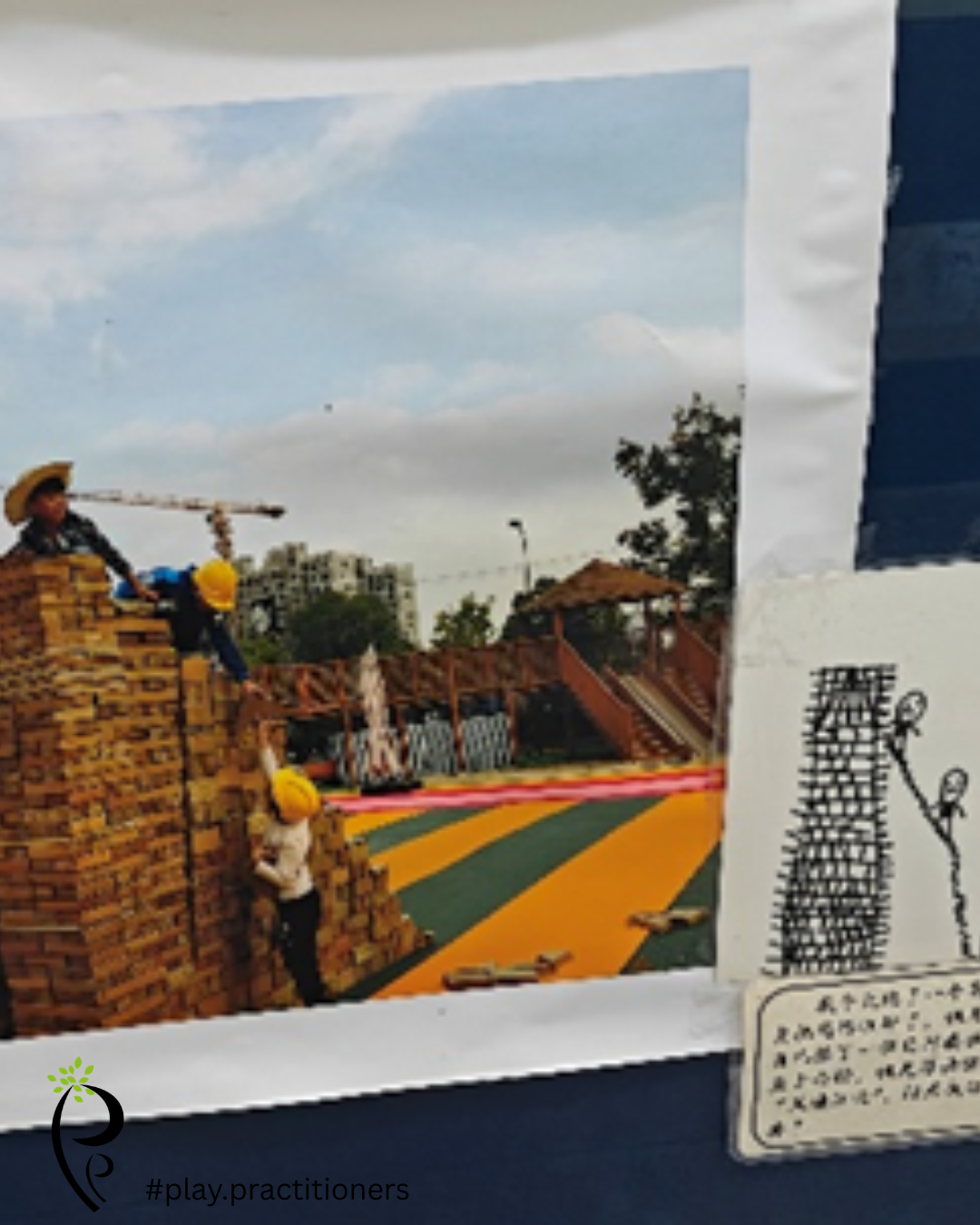
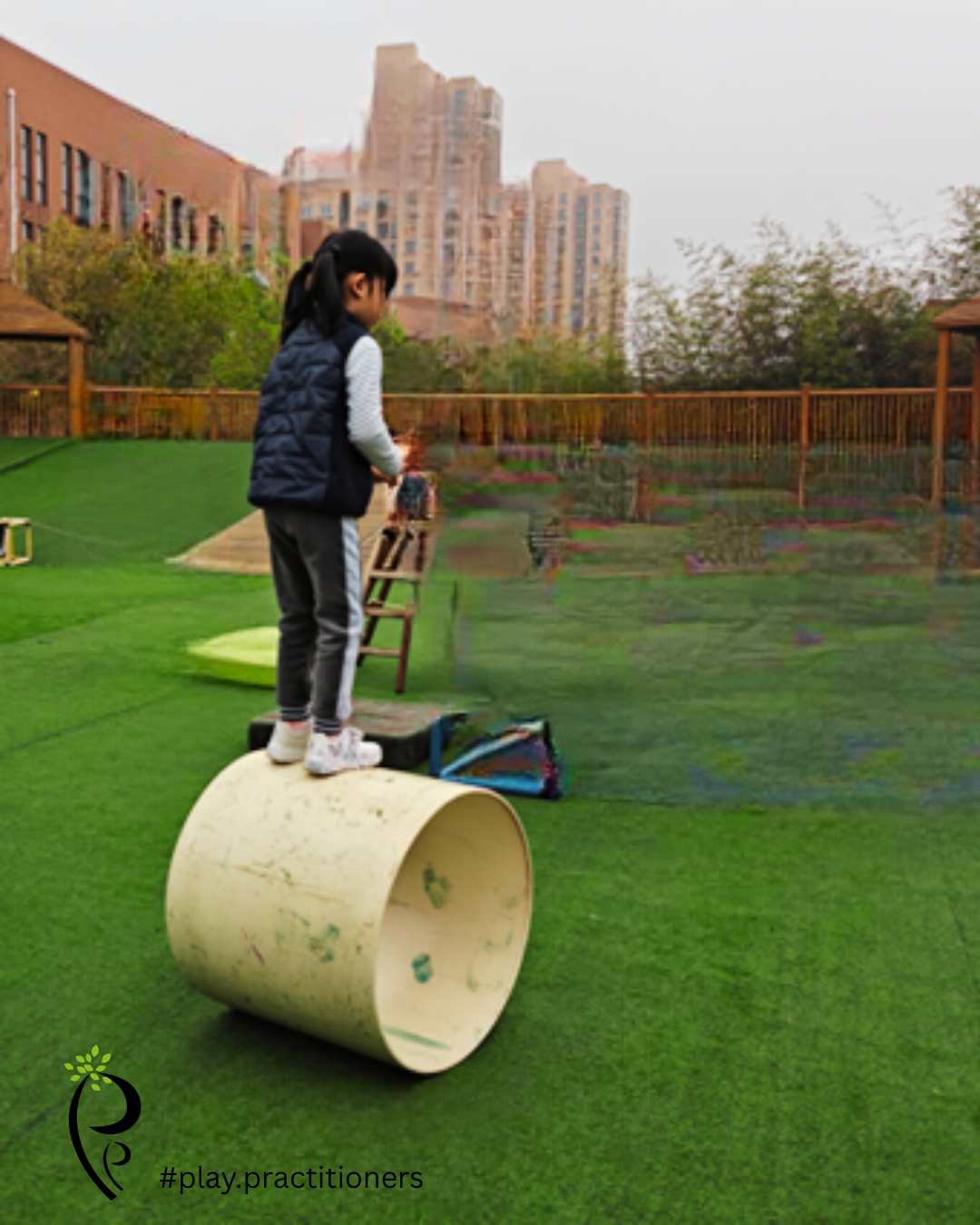
I watched four-year-olds balance on large round barrels, their arms out for balance, testing their own limits. I saw children tending to open fires, using saws and climbing structures that made my breath catch. And I realised something profound: these weren't reckless moments. They were moments of trust, resilience, and self-discovery.
But here's what shifted my thinking entirely: risk isn't just about physical challenge.
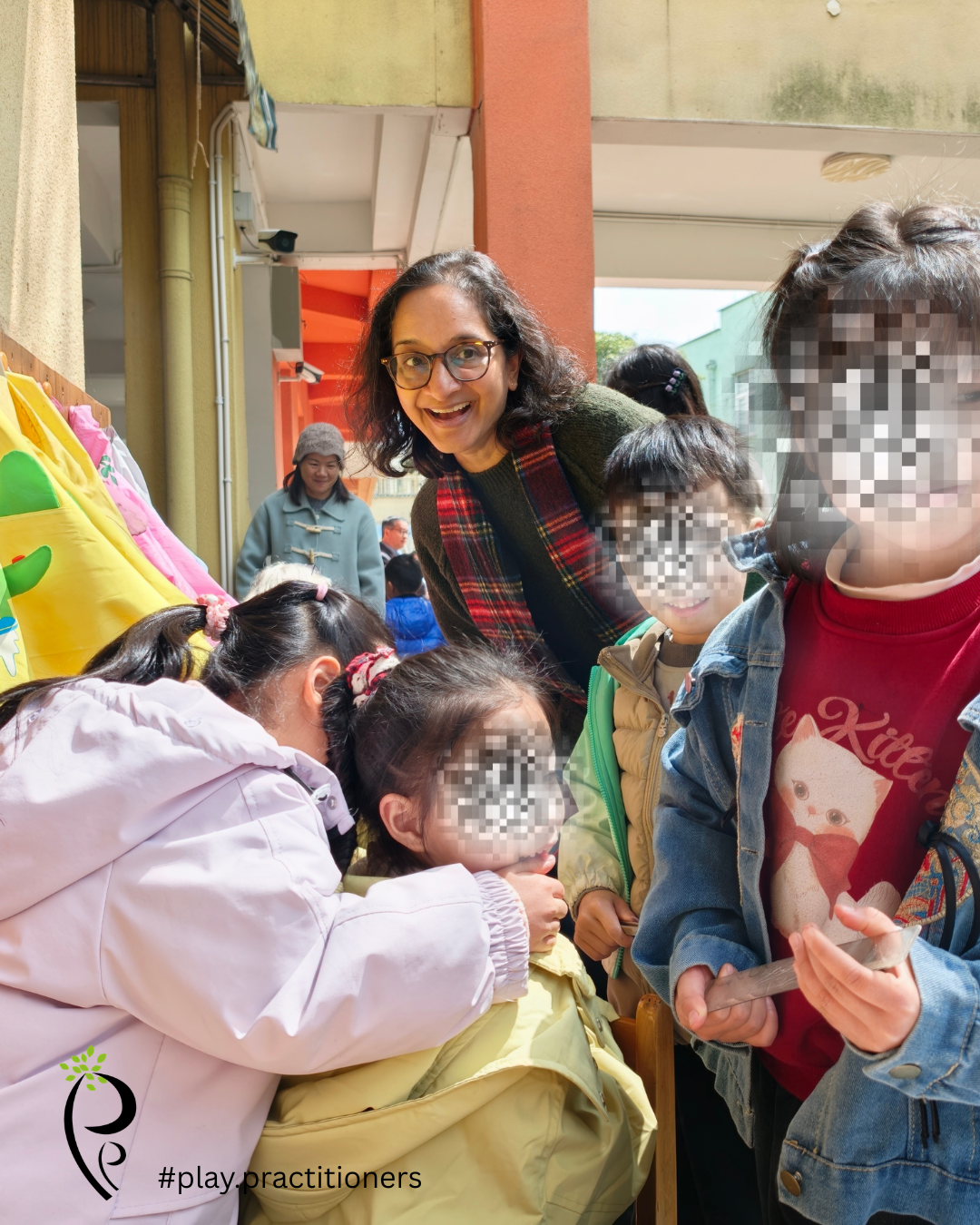
Risk is also a five-year-old approaching me, a stranger, to ask me a question. It's a child deciding to join a group. It's trying a new material for the first time. It's speaking up when you're not sure of the answer.
Risk is anything a child hasn't done before.
And when we reframe it this way, we realise something crucial: children are taking risks all the time. Every new experience requires courage. Every "I wonder if I can do this" is a risk.
What I witnessed in these settings was educators who understood this. They held space for physical risk, yes. But they also and equally honoured the emotional and social risks children took in learning. They trusted children to listen to their own bodies, to feel their own limits, to know when something was too much.
"You're strong. You know your body."
I watched a child climbing high. The teacher didn't say, "Careful, you'll fall." She said, quietly, those words above. The child adjusted their climb, felt secure, and went higher with confidence.
Parents' concerns about safety were real, and they were honoured. I saw settings actively bring parents on this journey. Through observation, conversation, and documentation, educators helped parents understand that risk isn't recklessness. Risk is how children build confidence, resilience, and the belief that they can handle challenges.
A parent told me
"I was worried at first. But then I watched my child balance on that barrel. She was so focused. So proud. I realised she was learning something I couldn't teach her in any other way."
What This Means for You
- Notice the risks your child takes every day, not just physical ones. Approaching a new friend. Trying a food they've never eaten. Asking for help. These are brave moments. Celebrate them.
- Create space for physical challenge. It doesn't have to be dramatic. A tree to climb. A log to balance on. Uneven ground to navigate. Children need to feel their own strength.
- Trust their bodies. When a child says, "I'm scared," listen. But also ask: What do you need? Do you want to try? Do you want to go slower? Often, children know exactly what they need.
- Bring parents alongside. If you work in a setting, show parents what risk looks like. Document it. Explain why it matters. Help them see that a child balancing on a barrel isn't reckless. It's resilient.
The Question That Matters Most
Towards the end of my trip, I found myself asking something I think we all need to sit with:
Are we truly asking ourselves: do we trust children?
Not in the abstract. In practice. In the moment.
When your child is struggling with a puzzle, do you let them struggle or do you hover, ready to "help"? When children are in conflict, do you give them time to negotiate or do you step in to fix it? When your child wants to explore something messy or uncertain, do you create space for that or do you redirect them to something safer, neater, more "productive"?
Trust isn't a feeling. It's a practice. And it shows up in a thousand tiny moments.
What Moved Me Most
Children in China, like children everywhere, are researchers. They're discovering the world around them, testing ideas, making connections, and discovering their own superpowers.
What I witnessed was educators who'd truly internalised this. They weren't teaching at children. They were teaching alongside them, curious about what they might discover next.
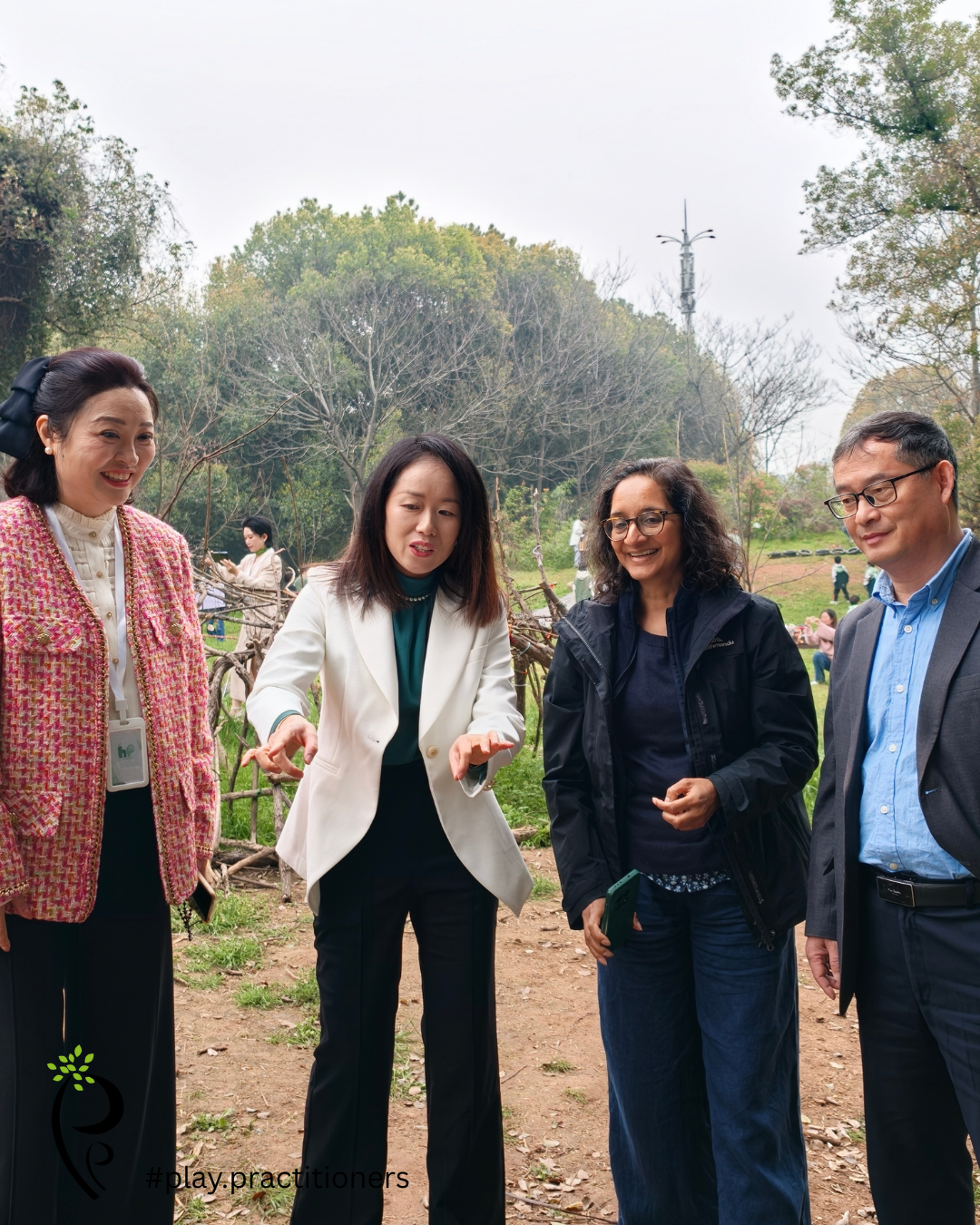
"The principal discovers the teachers. The teacher discovers the children. The children discover the world."
That cascading discovery, that sense of everyone learning together, felt like the heart of what early childhood education could be.
One More Thing: Every Child Has a Superpower
Not a strength we've identified for them. Not a skill we're teaching them. But something unique to who they are.
Maybe it's the way they notice detail. The way they comfort a friend. The way they persist. The way they imagine.
Our job, as parents and educators, isn't to give children these superpowers. It's to help them find what's already there. And then to believe in it fiercely.